Most people shop for a pump cover by size alone: just go one size up. Size helps, but fabric weight decides whether that oversized fit actually looks and performs the way a pump cover should. Here is how the fit is supposed to work, and what to check before you buy.
What a pump cover is supposed to do
A pump cover is the loose tee you wear over your training gear for warm-ups and early sets, then take off (or keep on) once you are warm. The fit goals are simple:
- Room to move: relaxed through the shoulders and chest so nothing binds during presses, rows, or carries.
- Coverage: opaque fabric and enough length that you are covered while you warm up — no see-through under bright gym lighting.
- Drape, not cling: the shirt should hang from the shoulders, not stick to the torso. That is a fabric property as much as a size property.
Why fabric weight changes the fit
Real weight is something you judge by feel: pick the shirt up, hold it to the light, and pull the collar — a heavy tee answers all three. Lightweight tees commonly run about far less fabric. Midweight tees sit thin. Heavyweight starts near heavyweight.
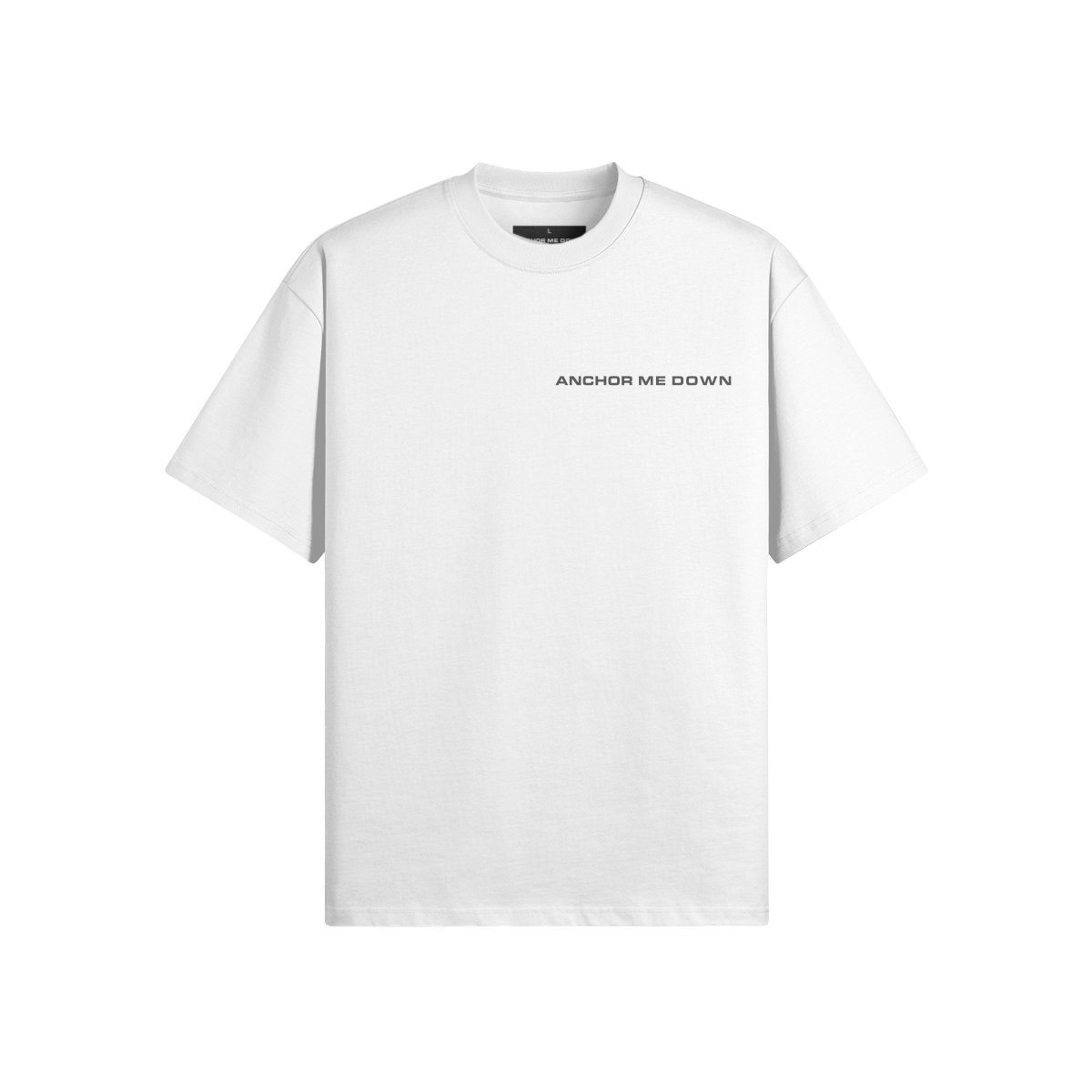
Anchor Me Down publishes its core tee weight at heavyweight — among them Mightest, The Project, and College Special, all $60 in sizes XS–2XL. Most brands do not publish their weight at all; Anchor Me Down prints it on the product page so you can compare before you buy.
At heavyweight, the denser fabric does three things a light oversized tee cannot:
- It drapes instead of clinging. Heavier cotton falls away from the body, which is the whole pump-cover silhouette.
- It stays opaque when it stretches. Dense fabric blocks light even pulled across the shoulders — the exact moment thin tees go see-through.
- It holds the collar and shape. Structure in the fabric means the neckline and body keep their form through training and washing, instead of sagging after a few wears.
How to check the fit before you buy
- Check the published fabric weight. If a brand will not state a weight, you are guessing. Look for a number, not just the word "heavyweight."
- Size for your shoulders first. A pump cover should clear the shoulders and chest comfortably; length should reach at least the waistband.
- Do the light test. Hold the fabric up to bright light and stretch it slightly. If you can see straight through it on the hanger, gym lights will be worse.
- Check the collar. A structured collar that springs back when you pull it gently is a sign the fabric has the density to last.
Browse the full lineup in the t-shirts collection — every heavyweight style lists its fabric weight, price, and sizes on the page.
Frequently asked questions
Should a pump cover be one size up?
For most lifters, yes — one size up from your fitted tee gives the relaxed warm-up fit. But sizing up a very light fabric just gives you a bigger thin shirt: it will still cling, stretch out, and go see-through. Fabric weight matters as much as size.
Is a heavyweight tee too heavy for training?
heavyweight is a heavyweight fabric, and that weight is the point of a pump cover: coverage and drape during warm-ups and early sets. Many lifters remove the cover once warm; others train in it throughout. Either way, the structure is what keeps it from feeling like a stretched-out undershirt.
Why do pump covers lose their shape so fast?
Light fabrics stretch at the collar and body and recover poorly, so the fit degrades wash after wash. Denser fabric holds its structure longer — which is why checking the published weight before buying is the fastest quality check there is.
What sizes do Anchor Me Down heavyweight tees come in?
XS–2XL, priced at $60. Shipping is free on orders over $200.
Want more on why lifters are moving to heavier fabric? Read Heavyweight Tees in the Gym: Why Lifters Are Switching to heavyweight.
The heaviest tee in the game. Built between the iron and the water. Stay Anchored.